Dementia
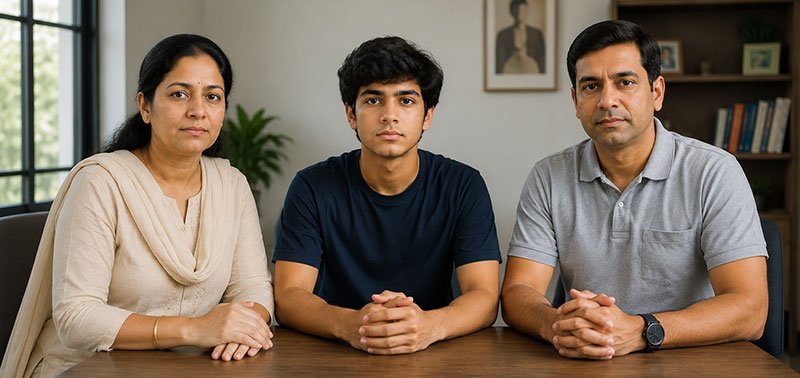
Ready To Take The First Step?
Whether it's for you or someone you love, start with a confidential conversation. We'll listen, guide you, and help you understand the next steps.

100% Confidential

Private WhatsApp Chat

Licensed Care Team

Recognized as one of Bengaluru's
Top Addiction Treatment Centres
ThreeBestRated® 2024 Award

Karnataka State Mental Health
Authority (KSMHA) Registered
Dementia is not one specific disease. It is an umbrella term used for several conditions that affect the brain and lead to changes in cognitive functioning. Alzheimer’s disease is the most common form of dementia, but other types include vascular dementia, Lewy body dementia, and frontotemporal dementia.
The experience of dementia can be different for every individual. Some people may initially experience memory problems, while others may notice changes in communication, personality, judgement, movement, or the ability to complete familiar tasks.
Although many causes of dementia cannot currently be reversed, appropriate medical care, supportive therapies, structured routines, and compassionate caregiving can help individuals manage symptoms and maintain quality of life.
What Is Dementia?
A person may have difficulty finding the right words, following conversations, making decisions, managing finances, recognizing familiar places, or completing tasks that were previously routine.
Dementia is more common among older adults, but it is not an inevitable part of normal ageing. Persistent or significant changes in memory and thinking should be discussed with a qualified healthcare professional because some causes of cognitive problems may be treatable.
An appropriate assessment can help identify the underlying cause and determine what type of support may be needed.
Common Symptoms of Dementia
Common signs may include:
- Increasing forgetfulness
- Difficulty remembering recent conversations or events
- Problems finding familiar words
- Difficulty following conversations
- Confusion about time or place
- Difficulty managing familiar tasks
- Problems with planning and decision-making
- Losing interest in previously enjoyed activities
- Changes in mood or personality
- Difficulty recognizing familiar people or objects
- Repeating questions or statements
- Increasing dependence on others for everyday activities
Occasional forgetfulness does not necessarily mean that someone has dementia. However, when memory or thinking problems begin interfering with everyday activities, a professional assessment is important.
Different Types of Dementia
Dementia can have different causes, and the symptoms may vary accordingly.
Alzheimer’s disease is the most common cause of dementia. It commonly affects memory and thinking and can gradually interfere with daily functioning.
Vascular dementia can occur when problems with blood flow to the brain damage brain tissue. It may affect thinking, planning, attention, and other cognitive abilities.
Lewy body dementia can involve changes in attention and alertness, visual hallucinations, movement problems, and sleep-related symptoms.
Frontotemporal dementia affects areas of the brain associated with behaviour, personality, language, and communication. It can sometimes occur at a younger age than other forms of dementia.
A person can also have more than one type of dementia-related brain change. A healthcare professional can help determine the most likely cause through clinical assessment and appropriate investigations.
What Causes Dementia?
Genetic factors can influence the risk of certain types of dementia. Other factors associated with increased risk can include cardiovascular disease, high blood pressure, diabetes, smoking, physical inactivity, hearing loss, depression, and social isolation.
The causes and risk factors differ depending on the type of dementia. Maintaining overall physical and cognitive health can support general well-being, although no lifestyle approach can guarantee prevention.
How Dementia Affects Daily Life
Later, assistance may be needed with cooking, dressing, bathing, eating, or moving around safely.
Changes in memory and judgement can also create safety concerns. Someone may become confused in familiar surroundings, forget to turn off appliances, or have difficulty recognizing potential risks.
These changes can be distressing for both the individual and their family. Patience, consistency, and a supportive environment can make daily life easier.
Diagnosis of Dementia
Doctors may also ask family members about changes in memory, behaviour, communication, and daily functioning. This information can be particularly useful because a person experiencing cognitive changes may not always notice or remember them.
Early assessment is valuable because some conditions can cause memory or thinking problems without being dementia. Identifying the cause can help determine the most appropriate care.
Dementia Care and Support
Depending on the individual’s condition, care may include medical treatment, cognitive activities, physical activity, occupational support, communication strategies, nutritional support, and assistance with daily routines.
A structured environment can be particularly helpful. Familiar routines, clear communication, appropriate activities, and consistent caregivers may reduce confusion and provide a greater sense of security.
Care should always be adapted to the individual’s abilities, preferences, medical needs, and stage of dementia.
Specialized Dementia Care at The Light House
The Light House provides specialized care and rehabilitation support in Bangalore for individuals who require structured assistance. For people living with dementia, an individualized approach can help address their changing cognitive, emotional, physical, and social needs.
Dementia care may involve creating consistent routines, encouraging suitable activities, supporting communication, assisting with daily living, and providing a safe and comfortable environment.
Family involvement can also be important. Caregivers may need guidance on how to communicate effectively, respond to behavioural changes, and manage the practical challenges associated with dementia.
The right level of care depends on the person’s symptoms, health, independence, and family circumstances. A professional assessment can help determine the most appropriate support.
Supporting Someone With Dementia
Family members can also encourage appropriate physical activity, social interaction, and activities that match the person’s abilities.
It is equally important for caregivers to look after themselves. Dementia care can be physically and emotionally demanding. Taking breaks, sharing responsibilities, and seeking professional support can help caregivers maintain their own well-being.
Living With Dementia
People living with dementia can continue to enjoy music, conversations, familiar activities, family interactions, and other experiences that bring comfort and connection.
The focus of care should be on the person rather than only the diagnosis. Understanding their preferences, respecting their dignity, and adapting care as their needs change can help create a more supportive environment.
If you notice persistent changes in memory, thinking, communication, behaviour, or everyday functioning in yourself or someone you care about, seeking professional medical advice is an important first step.
Frequently Asked Questions About Dementia
What is dementia?
What are the early signs of dementia?
Is dementia the same as normal ageing?
What is the most common type of dementia?
Can dementia be cured?
Can dementia affect younger people?
How can family members support someone with dementia?
Can specialized care help people with dementia?
Why is routine important for someone with dementia?
When should someone seek professional help?
Getting the Right Care Is Easier Than You Think
From your first conversation to personalized treatment, we'll guide you through every step with compassion, clarity, and care.
Call us
Reach out for a confidential conversation. We're here to listen, understand, and guide you.

Free assessment
We'll understand your situation, answer your questions, and recommend the right path forward.

Doctor evaluation
Our specialists assess your needs and create a personalized treatment plan tailored to your recovery.

Admission
Once you're ready, we ensure a smooth, comfortable, and stress-free admission process.

Recovery program
Start your personalized recovery journey with compassionate care and continuous support.