Autism Spectrum Disorder
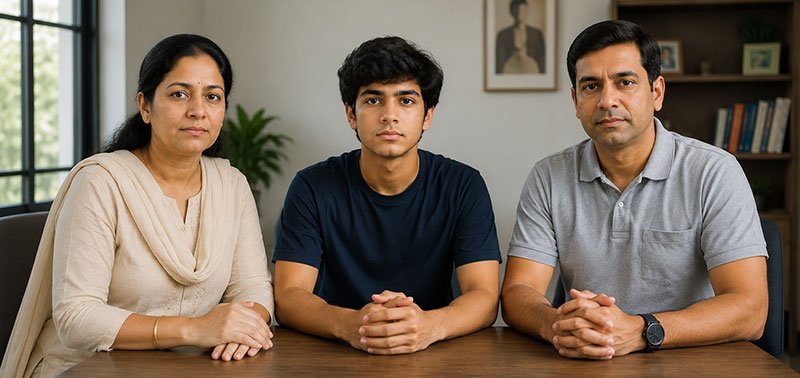
Ready To Take The First Step?
Whether it's for you or someone you love, start with a confidential conversation. We'll listen, guide you, and help you understand the next steps.

100% Confidential

Private WhatsApp Chat

Licensed Care Team
Recognized as one of Bengaluru's
Top Addiction Treatment Centres
ThreeBestRated® 2024 Award

Karnataka State Mental Health
Authority (KSMHA) Registered

Only rehabilitation centre in Bangalore with
FRRO registration
to support foreign nationals.
Autism is not an illness caused by poor parenting, and it is not something a person chooses. It is a lifelong developmental condition that begins early in life, although some characteristics may become more noticeable as a child grows and social or communication demands increase.
People with autism have different abilities, personalities, interests, and support needs. Some may have strong attention to detail, excellent memory, creative thinking, or particular areas of interest. Others may experience significant challenges with communication, sensory processing, learning, or everyday activities.
The goal of specialized care is not to change who a person is. Instead, appropriate support can help individuals develop useful skills, communicate effectively, participate in daily activities, build confidence, and live as independently and comfortably as possible.
What Is Autism Spectrum Disorder?
Autism Spectrum Disorder is a developmental condition associated with differences in social communication and interaction, along with restricted or repetitive patterns of behaviour, interests, or activities.
These characteristics can affect how a person understands conversations, expresses themselves, responds to social situations, handles changes in routine, or experiences sensory information.
Some individuals may communicate using spoken language, while others may use gestures, communication devices, pictures, or other methods. Some people may enjoy social interaction but find certain social situations difficult to understand.
Autism is a spectrum, which means that there is no single way to experience it. Support should therefore be based on the individual’s abilities, challenges, preferences, and goals.
Common Characteristics of Autism
- Difficulty understanding social cues
- Challenges with back-and-forth conversation
- Differences in eye contact or body language
- Difficulty developing or maintaining relationships
- Repetitive movements or behaviours
- Strong interest in specific subjects or activities
- Preference for predictable routines
- Distress when routines change unexpectedly
- Sensitivity to sounds, lights, textures, smells, or other sensory experiences
- Reduced or unusual response to certain sensory information
- Differences in communication or language development
It is also important to remember that characteristics associated with autism can occur in other developmental or psychological conditions. A professional assessment is therefore necessary before making a diagnosis.
Autism in Children and Adults
However, some individuals are diagnosed later in adolescence or adulthood. People who have developed ways of adapting to social situations may not have been recognized as autistic during childhood.
An autism assessment should consider the individual’s developmental history and current characteristics rather than relying on one isolated behaviour.
Early identification can help families understand a child’s needs and access appropriate educational, therapeutic, and developmental support.
For adults, an assessment may provide greater understanding of lifelong experiences and help identify useful forms of support.
What Causes Autism?
The exact causes of autism are not fully understood. Research indicates that genetic and developmental factors play important roles. Autism is considered to result from differences in brain development and functioning.
There is no evidence that vaccines cause autism. Autism is also not caused by poor parenting or a lack of affection.
Because autism develops through complex biological and genetic factors, there is no single cause that applies to every individual.
Understanding the causes is less important than understanding the person’s current needs and providing appropriate support.
How Autism Can Affect Daily Life
Sensory sensitivities can make certain environments uncomfortable. For example, loud sounds, bright lights, crowded spaces, or particular textures may be overwhelming for some individuals.
Unexpected changes can also cause anxiety or distress. A predictable routine and clear communication may make everyday situations easier to manage.
At the same time, autistic people can have significant strengths. Some may develop deep knowledge of particular subjects, demonstrate strong problem-solving abilities, or excel in areas that match their interests and skills.
Specialized care should recognize both challenges and strengths rather than focusing only on difficulties.
Assessment and Diagnosis of Autism
The assessment may consider communication skills, social interaction, repetitive behaviours, sensory experiences, developmental history, learning abilities, and everyday functioning.
For children, information from parents, caregivers, teachers, and other professionals can be useful. For adults, personal history and information from family members may also help provide a clearer understanding of lifelong patterns.
A proper assessment can help identify the individual’s support needs and guide appropriate interventions.
Specialized Support for Autism
Depending on individual needs, support may include behavioural interventions, speech and language therapy, occupational therapy, social skills development, educational support, counselling, life-skills training, and family guidance.
Some individuals may benefit from structured activities that help develop communication, independence, emotional regulation, or social participation.
The focus should be on practical skills and meaningful goals rather than forcing a person to behave in a way that hides their natural characteristics.
Autism Support at The Light House
The Light House provides specialized care and rehabilitation support in Bangalore for individuals who require structured assistance.
For people with Autism Spectrum Disorder, an individualized approach can help address communication, social interaction, daily living skills, emotional needs, behavioural challenges, and independence.
Depending on the individual’s requirements, care may include structured activities, counselling, skill development, family involvement, and other professional support.
Every autistic person is different. Therefore, the appropriate level and type of support should be determined through individual assessment.
The purpose of specialized care is to create a safe and supportive environment where individuals can develop useful skills, participate in meaningful activities, and work towards greater independence according to their abilities.
The Role of Family in Autism Support
Clear communication, predictable routines, patience, and positive reinforcement can make everyday interactions easier.
Families should also remember that caring for someone with additional support needs can be demanding. Seeking professional guidance and taking care of their own physical and emotional well-being can help caregivers provide more sustainable support.
Supporting Independence and Quality of Life
Depending on their abilities, individuals may work on skills such as personal care, communication, household activities, social interaction, decision-making, travel, education, or employment.
Progress can look different for every person. Some may develop greater independence, while others may continue to require significant support. Both situations deserve respect.
The most meaningful goals are those that reflect the individual’s needs, preferences, abilities, and personal circumstances.
If you have concerns about a child’s development or an adult’s communication, behaviour, or everyday functioning, speaking with a qualified professional can help clarify the situation and identify suitable support.
Frequently Asked Questions About Autism Spectrum Disorder
What is Autism Spectrum Disorder?
What are the common signs of autism?
Is autism a mental illness?
Can autism be cured?
Can autism be diagnosed in adults?
What kind of support can help an autistic person?
Does every autistic person need the same level of care?
Can autistic people live independently?
How can parents support an autistic child?
Can specialized care help autistic individuals?
When should parents seek an autism assessment?
Getting the Right Care Is Easier Than You Think
From your first conversation to personalized treatment, we'll guide you through every step with compassion, clarity, and care.
Call us
Reach out for a confidential conversation. We're here to listen, understand, and guide you.

Free assessment
We'll understand your situation, answer your questions, and recommend the right path forward.

Doctor evaluation
Our specialists assess your needs and create a personalized treatment plan tailored to your recovery.
Admission
Once you're ready, we ensure a smooth, comfortable, and stress-free admission process.

Recovery program
Start your personalized recovery journey with compassionate care and continuous support.